

5 Best Coffee Beans for Tasting Notes in 2026
Table of Contents
- Why Tasting Notes Matter (And How to Actually Read Them)
- How to Taste Coffee Notes: A Beginner's Calibration Guide
- The Coffee Flavor Wheel Explained: Mapping What You Taste
- 5 Best Coffee Beans for Tasting Notes
- Fresh Roasted Coffee Beans: Why Freshness Changes Everything
- How Brewing Method and Water Shape Tasting Notes
- Conclusion
- Frequently Asked Questions
Last Updated: September 28, 2026
Why Tasting Notes Matter (And How to Actually Read Them)
Tasting notes are the vocabulary roasters use to describe what a coffee tastes like, and learning to read them turns guesswork into confidence. This guide from Regnal Roasts breaks down the 5 best coffee beans for tasting notes, so you can match a bag to your palate before you buy. Most people assume they lack a refined tongue; in reality, they lack a reference point.
How to Taste Coffee Notes: A Beginner's Calibration Guide
Calibration means tasting the same coffee repeatedly against foods you already know. Try these steps:
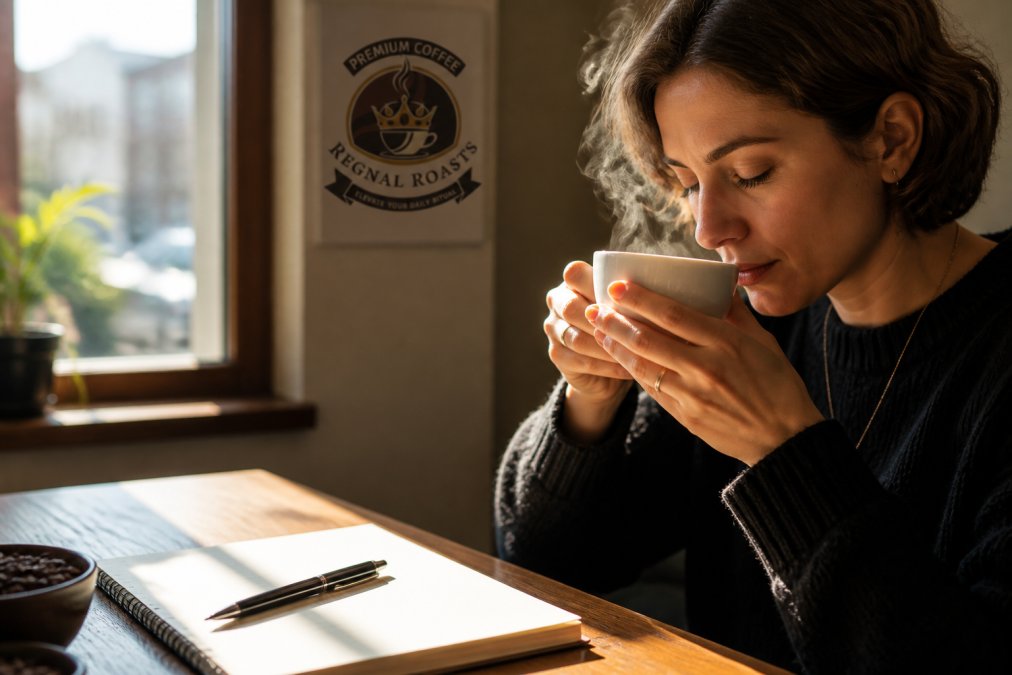
- Smell the dry grounds before brewing. Aroma carries most of what you will taste.
- Slurp, don't sip. Drawing coffee across your tongue spreads it over more taste receptors.
- Wait ten seconds. The aftertaste is where sweetness and bitterness reveal themselves.
- Compare against a real reference: a square of dark chocolate, a slice of orange, a strawberry.
- Write one word per cup. Simple notes beat poetic ones early on.
The Coffee Flavor Wheel Explained: Mapping What You Taste
A few practical notes:
- The wheel describes perception, not chemistry. Two people can place the same cup in different wedges and both be right.
- Roast level shifts where a coffee lands. A medium-light Ethiopian natural sits in the fruity and brown-sugar wedges; roasted darker, it drifts toward cocoa and spice.
- Processing method matters. Washed coffees tend toward cleaner, brighter wedges; natural and honey processes push toward fermented-fruit and sweetness.
- Water and brew method change intensity, not category. A French press will not turn a floral Kenyan into an earthy Sumatra, but it can mute top notes enough to land you on a different outer-ring descriptor.
For a shortcut, work through the five beans below from brightest to earthiest. Each sits in a different region of the wheel, so tasting them back to back forces your palate to notice contrast.
5 Best Coffee Beans for Tasting Notes
The best coffee beans for tasting notes are single-origin lots with clear, distinct flavor profiles, because they give your palate something specific to identify. Blends merge flavors by design; single origins keep the signal clean.
| Coffee | Roast Level | Key Tasting Notes | Best For |
|---|---|---|---|
| Kenya | Medium | Orange, lemon, floral, bright acidity | Vivid citrus lovers |
| Ethiopia Natural | Medium-Light | Milk chocolate, fruity, caramel | Fruity, complex cups |
| Colombia | Medium | Dried orange, berry, chocolate | Balanced everyday drinking |
| Sumatra | Medium | Dark chocolate, dried fruit, earthy | Full-body, low-acidity fans |
| Tanzania | Medium-Light | Pear, strawberry, jasmine | Delicate floral profiles |
1. Kenya: Bright Citrus and Floral Precision
Kenya is the clearest example of bright acidity you can brew. Grown in Othaya, Nyeri County at 1,700 to 1,890 meters, this medium roast delivers vivid orange and lemon citrus with delicate floral notes and an effervescent finish. The SL28 and SL34 varieties are fully washed and dried on raised beds, protecting the clarity Kenyan coffee is famous for. If you have never tasted a coffee that reminds you of lemon, start here.

- Pros: Electric, unmistakable citrus; clean finish; excellent for pour-over
- Cons: The brightness is intense if you prefer low-acid coffee
Kenya single origin starts at $17.65.

2. Ethiopia Natural: Fruity, Chocolatey, and Complex
Ethiopia is where coffee began, and the Sidama Zone lot proves it. The full natural process lets fruit influence the bean from the inside out, producing a medium-light roast layered with milk chocolate, caramel, and natural fruit sweetness. Indigenous heirloom cultivars grown at 1,700 to 1,900 meters give this cup rare complexity, the most layered coffee on this list.
- Pros: Deep fruit complexity; natural sweetness; rewarding for slow tasting
- Cons: The fruit-forward character is bolder than some expect from a light roast
3. Colombia: Dried Orange, Berry, and Chocolate Balance
Colombia is the most approachable of the five, and that is a compliment. Smallholder farmers above Medellín grow Castillo, Caturra, Colombia, and Typica varieties at 1,300 to 1,500 meters in volcanic loam soil. This medium roast opens with dried orange and berry, then settles into a rich chocolate finish. Fully washed and solar-dried, it stays clean and consistent, one bag that works every morning without demanding attention.
- Pros: Balanced and forgiving; works in any brewing method; consistent
- Cons: Less dramatic than Kenya or Ethiopia for dedicated tasting sessions
4. Sumatra: Earthy, Syrupy, and Full-Bodied
Sumatra is the outlier, and that is why it belongs here. From the highlands of Aceh, the KBQB cooperative uses Giling Basah, or wet-hulling, a technique unique to the region that produces a signature heavy body. At 1,100 to 1,600 meters, indigenous varietals develop dark chocolate and dried fruit notes over an earthy, syrupy base with medium acidity and a long finish.
- Pros: Syrupy body; low perceived acidity; deeply savory
- Cons: The earthy, herbal character is polarizing for fruit-forward drinkers
Sumatra single origin starts at $17.65.

5. Tanzania: Pear, Strawberry, and Jasmine Elegance
Tanzania is the most delicate cup on this list. Grown in the Mbeya Region at elevations up to 1,900 meters, small cooperative farmers tend Bourbon and Kent varietals for a medium-light roast layering pear, ripe strawberry, and a jasmine floral finish. Fully washed and dried on raised beds, it stays bright and clean.
- Pros: Elegant floral finish; bright and clean; rewarding for pour-over
- Cons: The subtlety can be lost if you brew it too strong
Fresh Roasted Coffee Beans: Why Freshness Changes Everything
Fresh roasted coffee beans carry more aromatic compounds than older beans, and those compounds are what you actually taste. As beans sit, oxygen breaks down the oils that hold citrus, floral, and chocolate notes, which is why a bag roasted weeks ago tastes flat no matter how good the origin is. Roasters typically recommend resting beans a few days after roast, then drinking them within a few weeks for peak flavor.
- Keep beans in an opaque, airtight container at room temperature, away from the stove and window.
- Do not store beans in the fridge. Temperature swings and condensation pull moisture onto the beans.
- The freezer works for longer storage, but only if you portion first. Freeze single-week amounts in airtight bags and grind from frozen without thawing.
- Buy quantities you will finish in two to four weeks. A 12-ounce bag suits one daily drinker; larger sizes only make sense if you freeze the surplus.
- If you transfer beans to a canister, choose one that is airtight but not vacuum-sealed, since gas release continues for the first week.
How Brewing Method and Water Shape Tasting Notes
Brewing method and water chemistry change which notes reach your cup, often more than the bean itself. A pour-over highlights acidity and floral notes because paper filters trap oils and let brightness through. A French press keeps those oils, producing heavier body and rounder sweetness. Espresso concentrates everything, which is why dark chocolate and caramel dominate. Water matters just as much: coffee is roughly 98% water, so mineral content shapes extraction.
| Brewing Method | What It Highlights | Best For |
|---|---|---|
| Pour-over | Acidity, floral, clarity | Kenya, Tanzania |
| French press | Body, sweetness, oils | Sumatra, Colombia |
| Espresso | Chocolate, caramel, intensity | Ethiopia, Colombia |
| Drip | Balance, consistency | Colombia, any daily cup |
Conclusion
Finding coffee that actually tastes like its label should not require a sommelier's palate, just fresh beans and a little practice. Regnal Roasts offers single-origin lots with clear tasting notes printed on every bag and grind options from whole bean to espresso. Our Kenya, Ethiopia Natural, and Sumatra lots each deliver a distinct, layered cup that makes calibration easy. Subscribe to Regnal Roasts emails and reign over your cup.
Frequently Asked Questions
Which coffee beans are best in taste?
The best-tasting coffee beans depend on your preference, but single-origin beans with clear tasting notes consistently score highest in cupping. Kenya offers bright citrus and floral notes, Ethiopia Natural brings fruity chocolate complexity, and Sumatra delivers earthy, syrupy body. Fresh roasted coffee beans preserve these characteristics far better than older stock. Look for beans with specific origin details, altitude, and process information on the label.
How do I identify tasting notes in my coffee?
Start by smelling the dry grounds, then the wet grounds after adding hot water. Slurp the brewed coffee to spread it across your palate and note the first flavors, the middle body, and the aftertaste. Compare what you taste to a coffee flavor wheel explained in simple categories: fruity, floral, sweet, nutty, spicy, or earthy. Keep a notebook and revisit the same bean across several brews to calibrate your palate.
Does roast level affect the tasting notes of coffee beans?
Yes. Light and medium-light roasts preserve origin character, so fruity, floral, and citrus notes stay vivid. Medium roasts balance acidity with sweetness and body, letting chocolate, caramel, and dried fruit notes emerge. Dark roasts push origin flavors back and bring forward smoky, bitter, and bold notes. For tasting-note exploration, start with medium and medium-light roasts before moving to darker profiles.
What is the difference between single-origin and blended coffee for tasting?
Single-origin coffee comes from one region, farm, or cooperative, so its tasting notes reflect that specific terroir, altitude, and process. Blends combine beans from multiple origins to create a consistent, balanced profile. If you want to learn how to taste coffee notes, single-origin beans are the better teacher because each cup shows a clear, traceable flavor story. Blends are better when you want reliability over discovery.