

Peet's vs Toraja Mountain Coffee: A Direct Comparison
Table of Contents
- Peet's vs Toraja Mountain Coffee: Quick Comparison
- Origin, Growing Conditions, and Single-Origin Coffee vs. Blend
- Toraja Coffee Taste Profile and Flavor Characteristics
- Peet's Dark Roast Coffee: Roast Style and Body
- Best Brewing Method for Dark Roast Coffee
- Price, Availability, and Freshness
- Which One Should You Choose?
- Conclusion
- Frequently Asked Questions
Last Updated: October 14, 2026
Peet's vs Toraja Mountain Coffee: Quick Comparison
When you're choosing between peets vs toraja mountain coffee, you're really deciding between two different approaches to specialty coffee. Peet's is known for its dark roast profile and consistent, bold flavor, a reliable choice for drinkers who want intensity and body. Toraja Mountain Coffee, sourced from the high-altitude volcanic regions of Sulawesi, offers a distinctly different character: lower perceived acidity, earthy complexity, and a smoother texture that appeals to those seeking a more nuanced cup.
The comparison matters because these coffees represent different philosophies. Peet's excels at what it's engineered to do: deliver a dark, full-bodied roast that holds up to milk and stands up to a busy morning. Toraja Mountain Coffee appeals to specialty coffee enthusiasts who prioritize origin-specific flavor profiles and are willing to explore what single-origin, hand-farmed beans can deliver.
Here's what you need to know to choose between them.
| Aspect | Peet's Dark Roast | Toraja Mountain Coffee |
|---|---|---|
| Origin | Blend (sourced globally) | Single-origin (Sulawesi, Indonesia) |
| Roast Level | Dark roast | Medium to medium-dark |
| Flavor Profile | Bold, smoky, low acidity | Earthy, syrupy, complex |
| Body | Full, heavy | Full, syrupy |
| Best For | Milk-based drinks, consistency | Black coffee, nuance seekers |
| Price Range | Mid-range | Premium |
| Freshness Indicator | Widely available year-round | Limited availability, seasonal |
Origin, Growing Conditions, and Single-Origin Coffee vs. Blend
The fundamental difference between peets vs toraja mountain coffee starts with where the beans come from and how they're grown. Peet's is a blend, a carefully calibrated mix of beans sourced from multiple regions and roasted to a consistent dark profile. This approach prioritizes uniformity and predictability.
Single-origin coffees like Toraja Mountain reflect their terroir, the specific combination of altitude, soil, climate, and farming practices that shape the final cup. Toraja coffee is typically grown by smallholder farmers at elevations between 1,200 and 1,600 meters in volcanic loam, conditions that produce beans with lower perceived acidity and a naturally smooth texture.
Blends like Peet's offer a different value: consistency and balance. By combining beans from multiple origins, Peet's achieves a roast profile that tastes the same whether you buy it in January or July. This reliability appeals to drinkers who prioritize a familiar morning experience over exploring regional variation.
Single-origin coffees like Toraja Mountain Coffee let you taste the specific place where the beans grew. Blends like Peet's prioritize consistency and bold flavor over terroir expression.
Toraja Coffee Taste Profile and Flavor Characteristics
Toraja coffee taste profile is defined by earthy, complex notes with lower perceived acidity and a syrupy body that feels smooth on the palate. When you brew Toraja Mountain Coffee, you're tasting the result of high-altitude farming, traditional wet-hulling processing, and hand-farmed cultivation practices that have been refined over generations in Sulawesi.
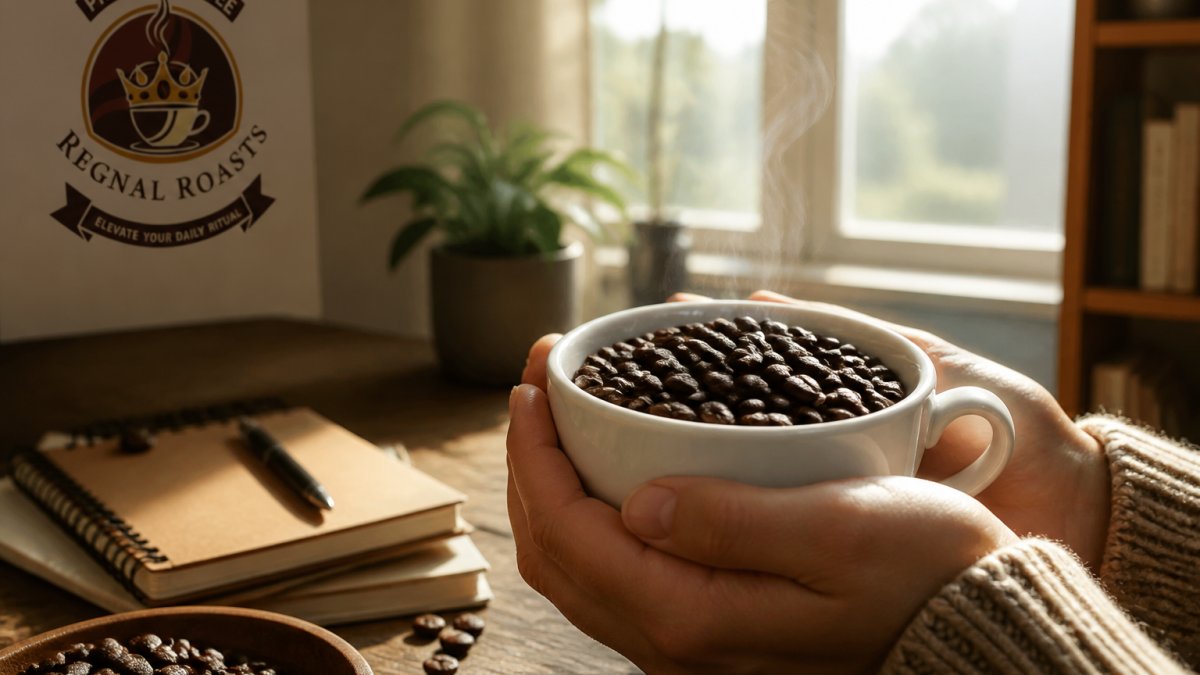
The flavor characteristics of Toraja coffee include:
- Earthy foundation, a grounding, mineral-forward base that defines the cup
- Syrupy body, full texture that coats the mouth and lingers after swallowing
- Low perceived acidity, smooth, gentle on the palate without sharp brightness
- Subtle sweetness, brown sugar, molasses, and dark chocolate notes
- Complexity, layers that reveal themselves as the cup cools
This profile makes Toraja coffee exceptional when brewed black, where every nuance can be appreciated. The syrupy body and low acidity mean the coffee doesn't taste thin or sour even without milk.
The hand-farmed, smallholder cultivation model also influences flavor. These farmers know their specific plots intimately and harvest selectively, picking only ripe cherries. This selective harvesting contributes to the coffee's balanced sweetness and complexity.
Peet's Dark Roast Coffee: Roast Style and Body
Peet's dark roast coffee is engineered for boldness and consistency. The dark roast profile prioritizes a full, heavy body and low acidity, similar goals to Toraja Mountain Coffee, but achieved through roasting rather than origin and processing. Peet's takes beans from multiple origins and roasts them to a dark level, which darkens the flavor, reduces perceived acidity, and adds roasted, smoky notes.
The roast style of Peet's dark roast produces:
- Bold, smoky flavor, roasting brings forward dark chocolate, caramel, and subtle smokiness
- Full body, heavy, substantial mouthfeel that stands up well to milk
- Low acidity, the dark roast process reduces bright, acidic notes
- Consistency, the blend and roast profile taste the same across batches and seasons
- Milk-friendly character, designed to complement milk and cream without getting lost
Peet's dark roast is particularly effective for milk-based drinks like lattes and cappuccinos. The bold flavor and full body mean the coffee doesn't disappear when diluted with steamed milk. This is by design: Peet's has been roasting dark roasts since its founding, and the profile is optimized for the American preference for strong coffee with milk.
The trade-off is that dark roasting masks origin-specific flavors. You won't taste the terroir of individual regions because the roasting process dominates the flavor profile. This is intentional, it's how Peet's achieves consistency across different bean origins.
Best Brewing Method for Dark Roast Coffee
The best brewing method for dark roast coffee depends on how you want to experience the roast. Dark roasts like Peet's are forgiving and perform well across multiple brewing methods, but some methods highlight their strengths better than others.
For dark roasts, consider:
- Drip coffee maker, the most common method; produces a straightforward, full-bodied cup that showcases the roast's boldness
- French press, steeping dark roast beans for 4 minutes produces a heavy body and brings forward the roasted, smoky notes; the immersion brewing method works well with dark roasts
- Espresso, dark roasts pull easily and produce rich, syrupy shots with low acidity; a popular choice for milk-based espresso drinks
- Moka pot, produces a concentrated brew similar to espresso; dark roasts work well here
- Pour over, works fine with dark roasts, though the method can highlight any slight bitterness if the roast is very dark; use slightly cooler water to avoid over-extraction
For Toraja Mountain Coffee specifically, a pour-over or French press allows you to appreciate the earthy complexity and syrupy body without the roast overwhelming the origin flavors. A pour-over with water around 195-200°F gives you control over extraction and lets the coffee's natural sweetness and earthiness come through.
Price, Availability, and Freshness
When comparing peets vs toraja mountain coffee on a practical level, price and availability matter significantly. Peet's is a mass-market brand available in virtually every grocery store, coffee shop, and online retailer.
Toraja Mountain Coffee is a specialty, single-origin offering with more limited availability. It's typically found through specialty coffee roasters, online retailers focused on single-origin beans, and direct-trade importers.
Pricing reflects this difference:
- Peet's, typically $8-12 per pound for whole beans, more affordable for K-Cups and pre-ground options
- Toraja Mountain Coffee, typically $12-18 per pound or higher, depending on the roaster and whether it's certified direct-trade or specialty-sourced
Freshness is where the comparison gets interesting. Peet's, as a major brand, is roasted in large batches and distributed widely. This means your local store may have Peet's that was roasted weeks ago.
Fresher coffee tastes noticeably better, the aromatics are more vibrant, the flavors are clearer, and the cup has more complexity.
For those prioritizing value and consistency, Peet's wins on price and availability. For those willing to invest more for freshness and single-origin character, Toraja Mountain Coffee offers a different experience.
Which One Should You Choose?
Choose Peet's dark roast if you want:
- Consistency and reliability, the same bold flavor every time you brew
- Convenience, available everywhere, widely stocked
- Milk-based drinks, the dark roast profile is engineered for lattes and cappuccinos
- Value, lower price per pound than specialty single-origins
- Simplicity, no need to think about freshness or brewing variables
Choose Toraja Mountain Coffee if you want:
- Single-origin character and terroir expression, taste the specific place where the beans grew
- Smoother, lower-acidity experience, the natural profile suits black coffee
- Freshness, specialty roasters typically roast to order
- Complexity and nuance, layers of flavor that reveal themselves as the cup cools
- Support for smallholder farming, direct-trade and specialty sourcing often support farmers more directly than mass-market blends
The honest answer is that these coffees serve different purposes. Peet's is the reliable choice for someone who wants bold coffee every morning without thinking about it. Toraja Mountain Coffee is for the coffee enthusiast who views the morning cup as a mindful ritual worth investing in.
If you're coming from years of drinking Peet's and wondering if specialty single-origin coffee is worth the switch, the answer depends on your priorities. If you value consistency and convenience, stick with what works. If you're curious about how coffee changes when you focus on origin and freshness, Toraja Mountain Coffee is worth trying, even if just for a few weeks to see if the difference justifies the premium.
Conclusion
The comparison between peets vs toraja mountain coffee ultimately reflects two different approaches to coffee: mass-market reliability versus specialty exploration. Peet's delivers what it promises, a bold, dark roast that tastes the same every time. Toraja Mountain Coffee offers something different: a window into how altitude, soil, and traditional processing create a smoother, more complex cup.
If you're looking for a handcrafted alternative that prioritizes freshness and single-origin character, consider exploring options like Regnal Roasts' Sumatra Single Origin Coffee, which offers similar high-altitude, wet-hulled processing with earthy complexity and syrupy body. Regnal Roasts also offers Bali Blue, a medium-dark roast from volcanic highlands that delivers depth and distinction without sacrificing the smoothness that makes single-origin coffees compelling.


The choice between Peet's and Toraja Mountain Coffee, or alternatives like Regnal Roasts, comes down to what you value in your morning ritual: predictability or discovery, convenience or freshness, boldness or complexity. Both have merit. The real question is which aligns with how you want to experience coffee.
For those committed to exploring specialty coffee without the guesswork, the Specialty Coffee Association's resources on single-origin sourcing provide detailed information on how altitude, processing, and terroir influence flavor. Understanding these factors helps you make informed choices when comparing coffees.
Frequently Asked Questions
How does Toraja Mountain Coffee compare with Peet's in taste?
Toraja Mountain Coffee and Peet's Sulawesi Tana Toraja are both Indonesian single-origin coffees with dark, complex profiles. Toraja Mountain Coffee emphasizes earthy, chocolatey sweetness with syrupy body and lower perceived acidity. Peet's Sulawesi Tana Toraja delivers similar dark chocolate and molasses notes but with slightly more balance. The key difference: Toraja Mountain Coffee is often positioned as a specialty, limited-release option, while Peet's offers consistent year-round availability. Both suit dark roast enthusiasts who prefer smooth texture over bright acidity.
Is Toraja coffee a good choice for people who prefer dark roasts?
Yes. Toraja coffee from the Sulawesi highlands is traditionally dark-roasted to highlight its natural sweetness and reduce perceived acidity. The wet-hulled processing method unique to the region produces a full, syrupy body that darkens further during roasting. If you enjoy bold, smooth dark roasts without sharp acidity, Toraja is an excellent match. It pairs well with milk or stands alone as a black coffee. The combination of high altitude, traditional processing, and dark roast creates the low-acidity, complex cup that dark roast lovers seek.
What is the difference between Toraja coffee and Sulawesi coffee?
Toraja is a specific region within Sulawesi, an island in Indonesia. All Toraja coffee is Sulawesi coffee, but not all Sulawesi coffee is Toraja. Toraja refers specifically to coffees grown in the mountainous Toraja region of South Sulawesi, known for high altitude (1,200-1,600 meters), volcanic soil, and smallholder farming. Other Sulawesi regions produce different flavor profiles. When you see 'Peet's Sulawesi Tana Toraja' or 'Toraja Mountain Coffee,' both are sourcing from this specific high-altitude Toraja zone, which is why they share similar earthy, chocolatey characteristics despite different roasters and processing choices.
Is Toraja Mountain Coffee lower in acidity than Peet's?
Both Toraja Mountain Coffee and Peet's Sulawesi Tana Toraja are marketed as low-acidity options due to their origin, altitude, and dark roasting. Perceived acidity in dark roasts is subjective and depends on brewing method, water temperature, and individual taste sensitivity. Both coffees use wet-hulled processing, which naturally reduces perceived acidity compared to washed coffees. The real difference lies in roast date and freshness: a recently roasted Toraja or Peet's coffee will taste smoother than an older bag. If acidity is your primary concern, ensure whichever you choose has a recent roast date and use water just below boiling (200-205°F) to minimize extraction of acidic compounds.