

Reduce Single Serve Pod Waste: 7 Practical Steps
Table of Contents
- Why Single Serve Pod Waste Matters
- Switch to a Reusable K-Cup Filter
- Choose Compostable Coffee Pods
- How to Recycle K-Cups Properly
- Select the Best Eco Friendly K Cup Pods
- Reduce Single Serve Pod Waste Through Bulk Buying and Refills
- Dispose of Coffee Grounds and Pod Components Responsibly
- Conclusion
- Frequently Asked Questions
Last Updated: October 10, 2026
Why Single Serve Pod Waste Matters
Single-serve coffee pods are convenient but millions end up in landfills yearly. At Regnal Roasts, we know coffee lovers want to enjoy their brew without guilt. The good news: reducing single serve pod waste doesn't mean sacrificing quality or convenience. Practical, proven ways exist to cut plastic waste while enjoying the coffee ritual you love.

A single pod takes roughly 500 years to decompose. Multiply that by billions used annually, and the environmental impact is impossible to ignore. The good news: you have concrete choices to reduce single serve pod waste today.
Switch to a Reusable K-Cup Filter
Replace disposable pods with a reusable K-Cup filter that fits your existing brewer. Fill it with ground coffee, brew, and compost the used grounds.
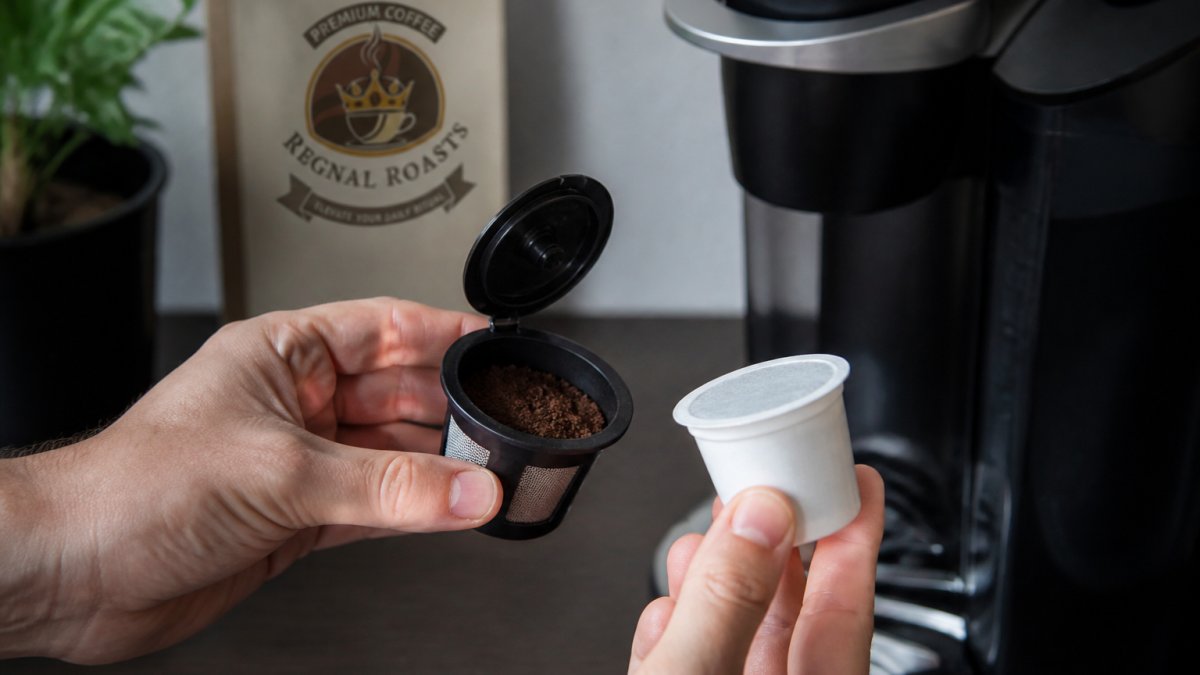
Reusable filters work with any K-Cup compatible brewer and last hundreds of uses. Add ground coffee, brew, empty grounds, and rinse.

Benefits include eliminating plastic waste, controlling your blend and grind size, saving money, and using artisanal blends unavailable in pods.
Choose a filter with fine mesh that's easy to rinse. The investment pays for itself within a few months.
Choose Compostable Coffee Pods
Compostable coffee pods break down in industrial composting facilities within months instead of sitting in landfills for centuries. They're made from plant-based materials.
Compostable pods work in most K-Cup compatible brewers with identical brewing experience. After brewing, send the pod to a composting facility. Some municipalities accept them in green waste programs.
Compostable pods cost more and are less widely available, but offer a practical middle ground if convenience matters to you.
Check your local composting guidelines before buying. Industrial composting facilities have specific requirements. Some accept compostable pods, others don't. Knowing your local options before purchasing ensures you can actually compost what you buy.
How to Recycle K-Cups Properly
Standard plastic K-Cups jam curbside recycling equipment. Understanding pod materials and proper separation is essential for responsible disposal.
Identifying Pod Materials
Most pods are plastic (polypropylene or PLA), aluminum, or a combination. Aluminum pods recycle through standard programs. Plastic pods require specialized handling. Compostable pods need industrial composting facilities.
Separating Pod Components
Separate pod components: remove the aluminum lid (recyclable), empty grounds into compost, remove the filter (compost or trash), and rinse the shell. Mixed materials contaminate recycling batches.
Official K-Cup Recycling Program
Local Collection Points
Verifying Your Local Program
Before buying pods, confirm your municipality's acceptance rules. Visit your local waste management website or call the recycling coordinator to ask:
- Do they accept K-Cups in curbside recycling? (Most do not.)
- Do they accept compostable pods in green waste programs?
- Are there local drop-off locations for pod recycling?
- What materials do they accept (aluminum vs. plastic)?
Knowing your options before purchasing ensures you can actually recycle or compost what you buy instead of defaulting to the trash.
Select the Best Eco Friendly K Cup Pods
When you do buy single-serve pods, choosing the best eco friendly K cup pods makes a real difference. Look for pods made from compostable materials, recyclable aluminum, or a combination that minimizes waste. Some brands now offer refillable pods that you fill with your own coffee, combining convenience with sustainability.
Regnal Roasts offers K-Cup compatible pods that deliver the premium taste experience you expect without compromising on quality. Our 12 Pack Single Serve K-Cup Compatible features nitrogen-sealed freshness and a precision-engineered filter designed to maximize extraction. For those who want to stock up and reduce ordering frequency, our 60 Pack Single K-Cup Compatible offers the best value while maintaining the same rich, full-bodied flavor.
When selecting pods, consider the material composition. Aluminum pods are recyclable through standard programs. Compostable pods require industrial facilities. Hybrid designs use both materials to balance convenience with environmental responsibility. Read the packaging to understand exactly what you're buying and how to dispose of it properly.
The best eco friendly K cup pods also come from roasters who care about sourcing and freshness. Quality matters. A superior blend means you'll actually enjoy your coffee instead of tossing half-brewed cups. When you love what's in your cup, you're less likely to waste it.
Reduce Single Serve Pod Waste Through Bulk Buying and Refills
Buying in bulk and using refill options is one of the most effective ways to reduce single serve pod waste. Fewer shipments mean less packaging. Fewer individual pods mean fewer containers entering the waste stream. But the real value emerges when you compare waste and cost side-by-side.
Waste Comparison: Pods vs. Bulk Brewing
A single-serve pod generates waste at every step: the pod itself, the outer packaging, and the shipping container. A typical pod weighs about 10 grams and is used once. A 30-pod box generates 300 grams of pod waste plus cardboard packaging and plastic wrapping.
By contrast, a 12-ounce bag of whole beans or ground coffee (roughly 340 grams) brews 20-30 cups using a reusable filter. The bag itself weighs less than 5 grams and is recyclable or compostable. Over 30 cups, that's 0.17 grams of packaging waste per cup versus 10 grams per pod cup. Switching to bulk brewing reduces packaging waste by over 98 percent per serving.
If you brew one cup daily, switching from pods to bulk coffee eliminates approximately 3.65 kilograms of pod waste annually, equivalent to roughly 365 single-serve pods that would otherwise enter the waste stream.
Cost Comparison: Pods vs. Bulk
Refillable and Subscription Pod Programs
Bulk Storage and Freshness
When you buy in bulk, proper storage preserves freshness and ensures you actually use what you buy instead of letting it go stale. Store whole beans in an airtight container away from direct sunlight, heat, and moisture. Whole beans stay fresh for 2-4 weeks after opening. Ground coffee stays fresh for 1-2 weeks. If you buy a 3-month supply of whole beans, grind only what you need each week to maximize flavor and reduce waste from stale coffee.
Check the roast date on the bag (not the "best by" date) to ensure you're buying fresh coffee.
Choosing the Right Bulk Format
Whole beans require a grinder but offer the longest shelf life and best flavor. Ground coffee is convenient but goes stale faster. Instant coffee in bulk (like resealable pouches with 30+ servings) eliminates single-serve packaging entirely while maintaining convenience. Choose based on your priorities:

- Flavor and freshness priority: Whole beans, grind weekly
- Convenience priority: Ground coffee, buy monthly
- Waste reduction priority: Instant coffee in bulk or reusable filters with whole beans
Dispose of Coffee Grounds and Pod Components Responsibly
What happens after you brew matters as much as what you brew. Coffee grounds and pod components need responsible disposal to truly reduce single serve pod waste. The good news is you have several options, and most are easier than you'd expect.
Coffee grounds are compostable. They break down quickly and add valuable nutrients to compost. If you have a home compost bin, grounds go straight in. No special handling needed. If you don't compost at home, check if your municipality accepts coffee grounds in green waste programs. Many now do.
For pod components, separation is key. Remove the aluminum lid and filter from plastic pods. Rinse away coffee residue. Aluminum lids go to metal recycling. Plastic bodies go to specialized K-Cup recycling programs or curbside recycling if your program accepts them. The filter and grounds go to compost.
Some people ask whether used grounds have a second life. The answer is yes. Spent grounds work as a natural fertilizer for gardens. They can be mixed into potting soil or sprinkled directly around plants. They also absorb odors, making them useful for refrigerators or trash cans. Before throwing anything away, ask yourself if it has another use.
Conclusion
Reducing single serve pod waste is achievable without sacrificing the coffee experience you love. Whether you switch to a reusable filter, choose compostable pods, or buy in bulk, every decision matters. At Regnal Roasts, we believe that premium coffee and environmental responsibility aren't competing values, they're complementary. Our handcrafted K-Cup compatible pods deliver the richness and distinction you expect while supporting more sustainable brewing habits. Start with one change this week: try a reusable filter, research your local composting options, or explore our bulk coffee offerings. Small actions compound into meaningful impact.
Frequently Asked Questions
How can I reduce waste from single-serve coffee pods?
The most effective ways to reduce single serve pod waste include switching to a reusable K-Cup filter, choosing compostable or recyclable pods, buying in bulk to minimize packaging, and properly composting or recycling used pods and grounds. Each approach reduces plastic waste while maintaining the convenience of your single-serve brewer. Combining multiple strategies, like using a reusable filter with premium pods, delivers the greatest environmental impact.
Are reusable K-Cup filters better for the environment?
Yes, reusable K-Cup filters significantly reduce waste over time. A single reusable filter can replace hundreds of disposable pods, eliminating plastic consumption almost entirely. You'll need only fresh coffee grounds, which you can compost after brewing. While there's a small upfront environmental cost to manufacture the filter, the long-term savings in plastic waste far outweigh it, especially for regular coffee drinkers.
Can K-Cups be recycled, and how do I do it properly?
Many K-Cups can be recycled, but the process requires separating components: remove the aluminum lid, empty the coffee grounds (which can be composted), and rinse the plastic pod. Check with your local recycling program to confirm they accept the specific plastic type used in your pods. Always verify acceptance before placing pods in your bin to avoid contaminating the recycling stream.
What makes compostable coffee pods a better choice?
Compostable coffee pods break down in industrial or home composting environments, returning nutrients to soil rather than sitting in landfills for decades. Unlike standard plastic pods, compostable options eliminate persistent plastic waste. However, true compostability requires industrial composting facilities in most cases, home composting timelines vary. Always check the pod's certification and your local composting options before purchasing to ensure they'll actually decompose in your area.