

Peet's Coffee Alternatives for Home Brewers
Table of Contents
- Why Home Brewers Switch from Peet's Coffee
- Best Dark Roast Coffee for Home Brewing
- Brewing Method Compatibility: Matching Coffee to Your Equipment
- How to Store Coffee Beans for Maximum Freshness
- Small Batch Coffee Roasters vs Commercial Brands
- Subscription vs Retail: Finding Your Sourcing Model
- Sustainability and Ethical Sourcing in Your Daily Cup
- Frequently Asked Questions
Last Updated: September 18, 2026
Why Home Brewers Switch from Peet's Coffee
Home brewers leave Peet's for one simple reason: they discover that better alternatives exist at comparable prices. The gap between mass-produced coffee and handcrafted, fresh-roasted beans has narrowed dramatically in recent years, making it easier than ever to find peets coffee alternatives that deliver superior flavor, freshness, and value.
Peet's built its reputation on consistency and accessibility. Their coffee arrives in every grocery store, tastes the same every time, and requires zero thinking. But consistency isn't the same as quality. Many home brewers eventually realize they're paying premium prices for coffee that tastes like a baseline, not an experience.
The shift happens gradually. You brew a cup from a specialty roaster and notice the difference immediately: brighter acidity, more complex flavor notes, a finish that lingers instead of fading. Then you check the price and realize you're not paying more, sometimes you're paying less. That moment of discovery is when home brewers start looking for peets coffee alternatives that match what they've tasted.
The real differentiator isn't price or availability, it's freshness. Coffee begins losing flavor the moment it's roasted. Mass-market brands ship nationally and sit in warehouses. Specialty roasters ship within days of roasting. That difference compounds with every cup.
Best Dark Roast Coffee for Home Brewing
Dark roast coffee is the workhorse of home brewing. It delivers bold, full-bodied cups that stand up to any brewing method, from drip machines to French presses. The best dark roasts balance boldness with smoothness, they don't taste burnt or one-dimensional.
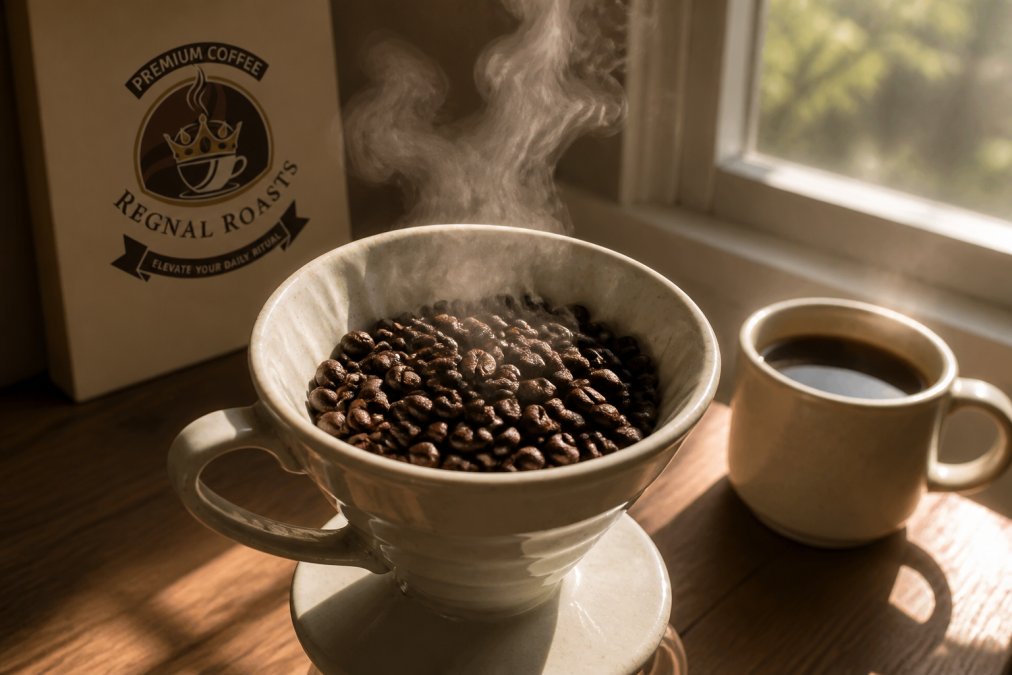
When evaluating dark roasts, focus on three factors: roast profile consistency, flavor clarity, and brewing versatility. A properly executed dark roast should taste smooth without bitterness, with enough body to feel substantial in your mouth. Many commercial dark roasts sacrifice flavor for appearance, they're roasted until they're nearly black, which masks rather than enhances the underlying bean quality.
Regnal Roasts' 6 Bean Blend exemplifies what a modern dark roast should be. It combines coffees from six origins, each chosen for what it contributes to the final cup: body, brightness, sweetness, depth. The result is a dark roast that's bold and complex without the harsh edges that plague single-origin dark roasts. At $158.02, it delivers noticeably more flavor in every cup. It's available in multiple grinds, standard, espresso, whole bean, and coarse, so you can match it to your brewing equipment.

For those who prefer their dark roast even bolder, the Cold Brew Coffee - Dark Roast is specifically engineered for cold steeping. It's ground extra coarse and formulated to extract slowly over 12-24 hours, producing a concentrate that's rich, low-acid, and deeply satisfying. At $74.36, it's an excellent entry point into handcrafted alternatives if you're hesitant about committing to larger quantities.
Brewing Method Compatibility: Matching Coffee to Your Equipment
Your brewing method determines which coffee will shine. A grind size optimized for one method produces mediocre results in another. Matching your coffee to your equipment is the fastest way to improve your morning cup.
Pour-over brewers need medium to medium-fine grinds that allow water to flow through in 2-4 minutes without clogging. The Breakfast Blend from Regnal Roasts works beautifully here, it's a smooth, balanced medium roast from South American origins, available in standard or coarse grinds. At $23.23, it's perfect for daily brewing without guilt.

French press brewing demands coarse grounds that won't slip through the mesh filter. The Colombia single-origin from Regnal Roasts is excellent for this method. It's a medium roast with bright dried orange and berry notes up front, followed by a rich chocolate finish. The coarse grind won't over-extract during the 4-minute steep, preserving the nuanced terroir that makes single-origin coffees worth seeking out. At $158.02, it's an investment, but the flavor justifies it.
Espresso machines require fine, consistent grinds and darker roasts that cut through milk. The African Espresso blend, sourced from Kenya, Tanzania, and Ethiopia, is engineered for espresso but thrives in any brewing method. At $158.02, it's bold enough to dominate milk-based drinks while remaining nuanced enough to sip black.
Cold brew is its own category. It needs coarse grounds and a longer extraction window. Regnal Roasts' Cold Brew Coffee - Medium Roast is specifically formulated for this method, with tasting notes of chocolate, toffee, and floral undertones. The low-acid formula sits easier on your stomach than hot-brewed coffee poured over ice, and the flavor profile is designed to shine over a 12-24 hour steep.
| Brewing Method | Ideal Grind | Best Roast Level | Brew Time |
|---|---|---|---|
| Pour-over | Medium-fine | Medium to medium-dark | 2-4 minutes |
| French press | Coarse | Medium to dark | 4 minutes |
| Espresso | Fine | Dark to medium-dark | 25-30 seconds |
| Cold brew | Coarse | Medium to dark | 12-24 hours |
| Drip machine | Medium | Medium to dark | 5-10 minutes |
How to Store Coffee Beans for Maximum Freshness
Freshness is everything. Coffee begins oxidizing the moment it's roasted, losing flavor compounds every day that passes. Proper storage slows this process dramatically, extending the window where your coffee tastes its best.
Store beans in an airtight container away from heat, light, and humidity. Oxygen is the enemy, it degrades flavor faster than anything else.
Buy smaller quantities more frequently rather than stockpiling large amounts. Regnal Roasts offers flexible sizing, from 12-ounce bags to 5-pound options.
Small Batch Coffee Roasters vs Commercial Brands
The difference between small-batch roasters and commercial brands comes down to speed and intention. Commercial roasters prioritize consistency and shelf life. Small-batch roasters prioritize flavor and freshness.
A commercial roaster roasts large volumes, then distributes nationally. The coffee sits in warehouses and on store shelves for weeks or months before you brew it. By the time it reaches your cup, much of the flavor has faded. The roast profile is engineered for stability during long storage, not for peak flavor.
Small-batch roasters operate differently. They roast smaller quantities more frequently, often roasting to order. Your coffee ships within days of roasting, arriving at peak freshness. The roast profile is engineered for flavor, not for shelf stability.
This difference compounds over time. A small-batch coffee tastes noticeably better in week one than week three. A commercial coffee tastes similar in week one and week three because much of the flavor was already gone. The comparison seems unfair, but that's precisely the point: you're not comparing apples to apples when you compare fresh-roasted to mass-market.
Regnal Roasts exemplifies the small-batch approach. Their Whiskey Barrel Aged coffee is roasted to order after spending 30 days in Bourbon whiskey barrels. At $74.36, you're tasting coffee roasted specifically for you. The oak and vanilla notes from the barrel aging are crisp and distinct, exactly what you'd expect from a fresh roast.

Subscription vs Retail: Finding Your Sourcing Model
How you buy coffee matters as much as which coffee you buy. Subscription services and retail purchases each solve different problems.
Retail purchases give you flexibility. You buy a bag when you want it, no commitment, no recurring charges. You can try different roasts without obligation. The downside: you're always thinking about when to reorder. You either run out and resort to stale coffee, or you overbuy and watch beans age in your cabinet.
Subscriptions automate the process. Coffee arrives on your schedule, weekly, biweekly, monthly, ensuring you always have fresh beans. You build a relationship with a roaster, learning their approach and developing preferences. The downside: you're committed to recurring charges, and switching roasters requires canceling and starting over.
For most home brewers, a hybrid approach works best. Maintain a subscription for your daily-driver coffee, the one you brew every morning without thinking. Buy retail for experimentation, trying new origins, roast profiles, or brewing methods. This keeps your routine consistent while leaving room for discovery.
Regnal Roasts supports both models. You can buy individual bags at retail prices, or set up a subscription for recurring shipments. The Breakfast Blend at $23.23 per bag works well as a subscription staple. The Whiskey Barrel Aged at $74.36 works well as a retail experiment, trying it once before deciding whether to make it a regular purchase.
Sustainability and Ethical Sourcing in Your Daily Cup
Where your coffee comes from matters, not just for flavor, but for the farmers and ecosystems involved. Ethical sourcing has moved from a niche concern to a baseline expectation among serious coffee drinkers.
Look for coffees from named origins with documented farming practices. The Colombia single-origin from Regnal Roasts comes from smallholder farmers in Medellín, grown in volcanic loam soil at 1,300-1,500 meters elevation. It's fully washed and solar-dried, processing methods that protect both the beans and the environment. At $158.02, you're paying for transparency and quality, not just coffee.
The Latin American Blend demonstrates another ethical approach. It combines coffees from shade-grown rainforests in Central America and the Amazon region, processed using eco-friendly washed methods and full sun dried for up to seven days.
Frequently Asked Questions
What coffee is similar to Peet's coffee?
Specialty roasters offering medium to dark roasts with balanced acidity and smooth finish deliver comparable flavor profiles. Look for coffees with tasting notes of chocolate, cocoa, and stone fruit, hallmarks of Peet's style.
What should home brewers look for in a dark roast alternative?
Prioritize roast date over roast level. Check the grind options available, coarse for cold brew, medium for drip, espresso for machines. Verify the coffee matches your brewing equipment: pour-over coffees need different extraction profiles than French press.
How does roast freshness impact home brewing results?
Fresh beans release CO2 for 7-14 days after roasting, creating better bloom and extraction. Older beans produce flat, bitter, or muted flavors because volatile aromatic compounds have dissipated. Home brewers using fresh-roasted beans see noticeably brighter acidity, cleaner finish, and more pronounced flavor notes, even with the same brewing method used for stale commercial coffee.
What are the benefits of switching to small-batch roasters?
Small-batch roasters roast frequently in smaller volumes, ensuring fresher beans reach you faster. You get single-origin coffees with distinct terroir expression and seasonal blends reflecting crop conditions, not year-round consistency that masks origin character.