

How to Tell if Coffee Beans Are Expired
Table of Contents
- How to Tell if Coffee Beans Are Expired: A Freshness Guide
- Signs Coffee Beans Are Stale: What to Look For
- A Step-by-Step Freshness Test You Can Do Right Now
- How Long Do Coffee Beans Last After Opening
- Can You Drink Expired Coffee Beans Safely
- How to Store Coffee Beans for Maximum Freshness
- Roast Date vs. Best-By Date: What Actually Matters
- Frequently Asked Questions
Last Updated: October 17, 2026
How to Tell if Coffee Beans Are Expired: A Freshness Guide
The difference between fresh coffee and stale coffee comes down to one thing: how to tell if coffee beans are expired. Most people assume an expiration date on the bag tells the whole story. It doesn't. The real indicators of freshness live in what you can see, smell, and taste.
Coffee doesn't go bad the way milk does. It doesn't spoil into something unsafe to drink. Instead, it loses its richness, depth, and distinction over time. The oils that carry flavor break down. The aroma fades.
The Difference Between Stale and Unsafe Coffee
Stale coffee is old coffee that has lost flavor. It's still safe to drink. Unsafe coffee is something else entirely: moldy, contaminated, or exposed to moisture so severe that it's grown bacteria.
Most home coffee drinkers will never encounter truly unsafe beans. Coffee is naturally resistant to mold because of its low moisture content and high acidity. Staleness is your real enemy, not safety. But you should know the difference so you can spot genuine problems when they appear.
Why Expiration Dates Matter Less Than You Think
Expiration dates printed on bags are often conservative estimates. A bag marked with a "best by" date of six months from roast might still taste good at eight months if stored correctly. The real question isn't what the label says.
The roast date matters far more than the expiration date. A bag roasted two weeks ago will taste dramatically better than a bag roasted three months ago, even if both are within their printed window. When you're shopping, look for the roast date first.
Signs Coffee Beans Are Stale: What to Look For
Aroma and Smell Changes
Fresh coffee beans smell rich, complex, and inviting. Stale beans smell flat or muted. Sometimes they smell slightly musty or papery.
What you're smelling is the release of volatile compounds. Fresh roasted beans are still degassing, releasing carbon dioxide and aromatic oils. As time passes, these compounds escape into the air.
If the smell is sour or vinegary, that's a warning sign. It suggests the beans have begun to oxidize in ways that change the chemistry. Musty or moldy smells mean you should throw the bag away immediately.
Color and Appearance Shifts
Fresh roasted beans have a rich, glossy appearance. Dark roasts look almost black with visible surface oils. Medium roasts show brown with some sheen.
Stale beans lose their luster. They look dull and gray. The surface oils dry out and disappear.
Color alone doesn't tell the full story, though. A very dark roast might look dull simply because it's dark. That's why you need to combine the color check with smell and taste tests.
Flavor and Taste Deterioration
This is the ultimate test. Stale coffee tastes flat, thin, and one-dimensional. Fresh coffee has layers: brightness, sweetness, subtle notes that change as it cools. Stale coffee tastes like brown water.
You'll notice the loss of flavor immediately on your first sip. There's no complexity. No finish. No reason to savor it. If your usual blend suddenly tastes boring, the beans are past their prime.
A Step-by-Step Freshness Test You Can Do Right Now
Step 1: Inspect the Bag and Roast Date
Look at the back or side of the bag for a roast date. This is printed as a date, often in small text.
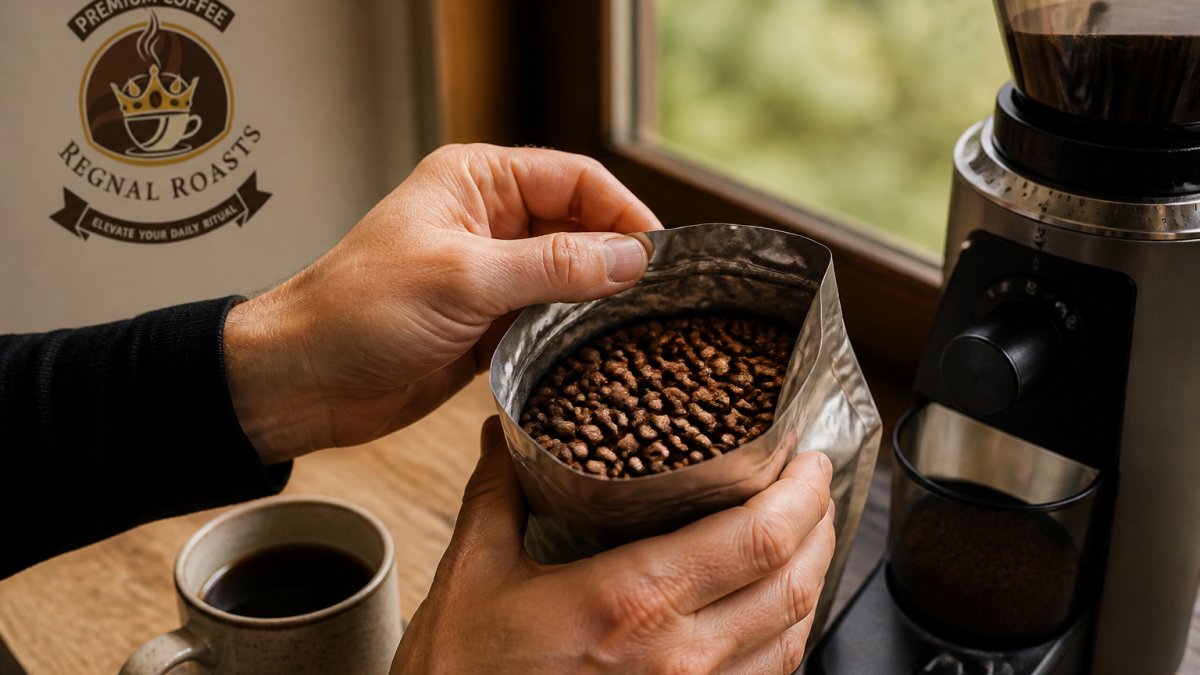
If you see only an expiration date with no roast date, the roaster isn't being transparent about freshness. That's a sign to look for a different brand.
Count the days from the roast date to today. Beans are at their peak for the first two to four weeks. They're still excellent for six to eight weeks.
Step 2: Open and Smell the Beans
Open the bag fully. Lean in and take a slow, deliberate breath. You should smell something rich and complex. There should be depth to the aroma.
Fresh beans smell inviting and make you want to brew immediately. Stale beans smell faint or flat. You might smell nothing at all, or worse, something musty or sour.
Do this test before you commit to buying a bag. Most specialty coffee shops let you smell beans before purchase. If a roaster won't let you smell their product, walk away.
Step 3: Examine Color and Surface Condition
Pour a small handful of beans into your palm. Look at them in natural light. Fresh beans have a consistent color and visible sheen, especially on dark roasts.
Stale beans look dull and chalky. The surface oils have dried out. If you rub a bean between your fingers, it should feel slightly oily on fresh beans. Stale beans feel dry.
This test works best in bright natural light. Artificial light can hide the dullness.
Step 4: Brew a Small Test Cup
This is the final test. Brew a small amount using your usual method. Take the first sip slowly and pay attention.
Fresh coffee tastes bright and complex. There's a finish that lingers pleasantly. You notice flavor notes. Stale coffee tastes thin and flat. There's no finish. It tastes like it's missing something.
If the taste is off, the beans are too old. Trust your palate. If it doesn't taste like what you expect from that roast, the beans have lost their freshness.
How Long Do Coffee Beans Last After Opening
Shelf Life by Roast Level and Bean Type
Dark roasts last slightly longer than light roasts because the roasting process has already broken down more of the oils and compounds. But the difference is small, maybe a week or two.
Single-origin beans and blends behave similarly. The roast level matters more than the bean type. A dark roast from Ethiopia will last about as long as a dark roast blend.
Most beans reach their peak between two and four weeks after roasting. They remain good for six to eight weeks. After two months, flavor loss becomes significant.
Unopened vs. Opened Bags
An unopened bag lasts longer than an opened one. Once you open the bag, you expose the beans to oxygen and humidity. The clock speeds up.
An unopened bag in proper storage (cool, dark, dry) can stay fresh for three to four months. An opened bag should be consumed within two to three weeks for best flavor. After you open a bag, reseal it tightly or transfer the beans to an airtight container immediately.
Can You Drink Expired Coffee Beans Safely
When Stale Coffee Becomes a Health Concern
Stale coffee is safe to drink. There's no health risk from drinking old beans. Your stomach won't suffer. You won't get sick. The only consequence is a disappointing cup.
The confusion comes from mixing up "expired" with "spoiled." Coffee doesn't spoil the way food does. It doesn't develop harmful bacteria. It doesn't rot. It just loses flavor.
Signs of Mold or Spoilage to Never Ignore
Mold is the real safety concern, and it's rare in coffee. Mold grows in moisture. Coffee beans are too dry for mold to thrive unless they've been exposed to humidity or water.
Watch for these signs:
- Visible mold or fuzzy growth on beans
- A musty or moldy smell that's strong and unmistakable
- Beans that feel damp or sticky
- A sour smell that suggests fermentation
If you see any of these signs, throw the beans away. Don't taste them. Don't brew them. Mold in coffee is uncommon, but when it happens, it's a clear signal to discard the entire bag.
How to Store Coffee Beans for Maximum Freshness
The Ideal Storage Environment
Coffee beans need cool, dark, and dry conditions. The ideal temperature is between 50 and 70 degrees Fahrenheit. Room temperature is fine. A pantry or cabinet works well.
Avoid storing beans in the refrigerator or freezer. The temperature fluctuations when you open and close the door introduce moisture. Condensation forms on the beans. This speeds up oxidation and can lead to mold.
Keep beans away from direct sunlight. Light degrades the oils and compounds that create flavor. A dark cabinet or opaque container protects the beans from light exposure.
Container Types and Airtight Sealing
The best containers are airtight and opaque. Glass jars with rubber seals work well. Ceramic containers with tight lids are also good.
Avoid clear containers that let light in. Avoid containers that don't seal tightly. Avoid storing beans in the original bag if the bag doesn't have a good seal or a one-way valve.
If you buy beans in a bag without a seal, transfer them to an airtight container immediately. This single step extends freshness by weeks.
Troubleshooting Common Storage Mistakes
Many people store beans in the wrong place. The kitchen counter near the stove is too warm. The window sill is too bright. The refrigerator introduces moisture.
The best storage spot is a cool, dark cabinet away from heat sources. A pantry is ideal. A bedroom closet works. Anywhere that stays consistently cool and dark will preserve freshness.
If your beans are losing flavor faster than they should, check three things. First, is the container airtight? Second, is the storage location cool and dark?
Roast Date vs. Best-By Date: What Actually Matters
The roast date tells you when the beans were roasted. The best-by date is a conservative estimate of when the roaster thinks the beans will start to decline noticeably.
The roast date is the useful number. It tells you exactly how old the beans are.
When shopping, prioritize roast date over best-by date. Buy beans roasted within the last two weeks if possible.
Regnal Roasts prints the roast date on every bag. We're confident in our freshness because we roast in small batches and ship quickly.
Keeping your coffee fresh requires attention to a few simple details: checking the roast date, inspecting the beans for signs of staleness, and storing them in the right environment. Our handcrafted blends are designed to deliver richness and distinction in every cup.
Frequently Asked Questions
How can you tell if coffee beans have gone bad?
Stale coffee beans show three main signs: weak or musty aroma instead of rich fragrance, dull gray or faded color instead of deep brown, and bland or flat taste when brewed. A simple smell test is often your first clue, fresh beans smell vibrant and aromatic, while stale ones smell flat or cardboard-like.
Can you drink expired coffee beans safely?
Expired coffee beans are almost never unsafe to drink. Coffee is naturally resistant to mold and bacterial growth due to its low moisture and acidic nature. Stale beans won't make you sick; they'll simply taste bland and lack the rich flavor you expect. However, avoid beans with visible mold, musty odors suggesting moisture damage, or any sour smell indicating rancidity. When in doubt, brew a small test cup to taste before committing to a full pot.
How long do coffee beans last after opening a bag?
Opened bags of whole beans stay reasonably fresh for 2-4 weeks if stored in an airtight container away from light, heat, and moisture. Unopened bags sealed with a valve can last 3-6 months.
What's the difference between a roast date and a best-by date?
The roast date tells you when the beans were roasted and is the most reliable freshness indicator. Beans taste best within 2-4 weeks of roasting as they lose subtle flavor compounds through oxidation and degassing. A best-by or use-by date is a manufacturer's estimate, often conservative. Prioritize the roast date over printed expiration dates. If you see only a best-by date with no roast date, the beans may be older than you think, ask the seller or roaster for the actual roast date.