

Why Does My Coffee Taste Sour After Brewing?
Table of Contents
- What Under-Extracted Coffee Actually Tastes Like
- Coffee Grind Size Chart: Match Your Grind to Your Brew Method
- The Ideal Water Temperature for Coffee (And Why It Matters)
- Brew Ratio and Contact Time: Two Levers You Can Pull Today
- Water Chemistry: The Variable Most Brewers Overlook
- How to Fix Sour Coffee: A Method-by-Method Troubleshooting Guide
- Bean Freshness and Roast Level: Why Sour Coffee Sometimes Isn't Your Fault
- Frequently Asked Questions
Last Updated: September 24, 2026
What Under-Extracted Coffee Actually Tastes Like
If you are asking why does my coffee taste sour after brewing, the culprit is almost always under-extraction: water pulls too few flavor compounds from the grounds, leaving bright, acidic notes behind while the sweet, rich flavors never make it into your cup. At Regnal Roasts, we hear this often from home brewers who assume their beans are bad.
Sour vs. Bitter: How to Tell Them Apart
Sourness and bitterness feel similar but come from opposite problems. Sour coffee tastes bright, tangy, or harshly fruity, you pulled too little from the grounds. Bitter coffee tastes dry, burnt, or ashy, you pulled too much.
Here is a quick way to tell:
- Sour: puckers your mouth, feels thin, tastes like lemon or green apple
- Bitter: dries your tongue, feels heavy, tastes like burnt toast
- Balanced: sweet, smooth, with a clean finish
Visual Cues: What Under-Extracted Coffee Looks Like in the Cup
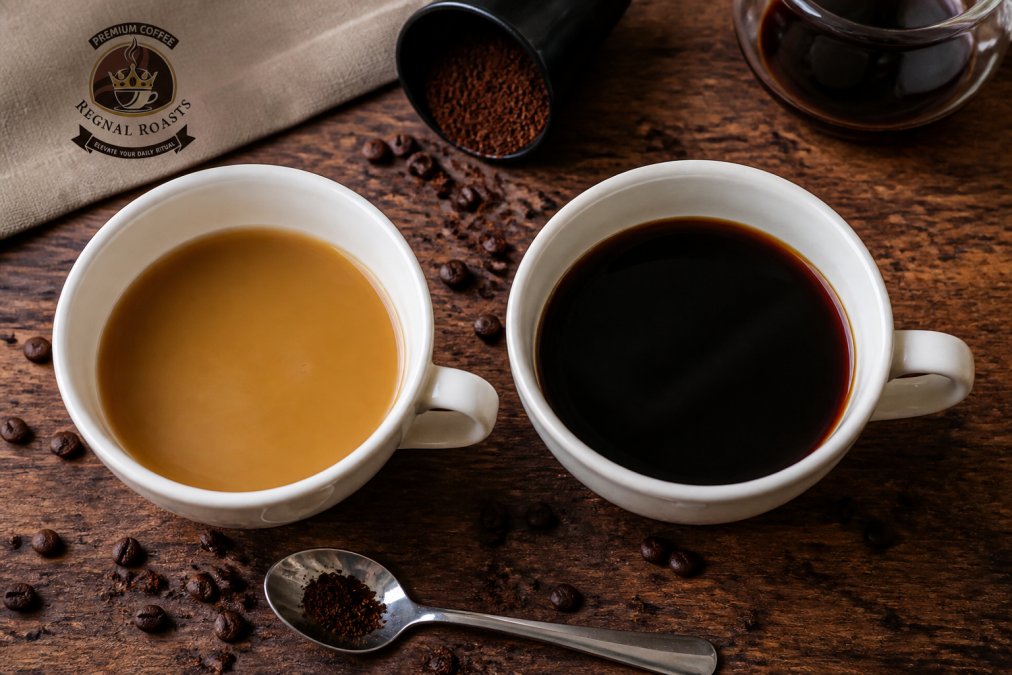
Your eyes can spot under-extraction before your tongue does. A well-extracted cup looks deep brown with a slight sheen; under-extracted coffee looks pale, watery, and almost tea-like. In espresso, a thin, fast pour that runs blond instead of dark amber, finishing in under 20 seconds, is almost certainly under-extracting.
Coffee Grind Size Chart: Match Your Grind to Your Brew Method
Grind size is the single biggest lever you control. Too coarse, and water rushes past the grounds without pulling enough flavor. Too fine, and water stalls, turning the cup bitter.
Match your grind to your method with this chart:
| Brew Method | Grind Size | Texture Reference |
|---|---|---|
| French press | Coarse | Sea salt |
| Drip machine | Medium | Table salt |
| Pour-over | Medium-fine | Fine sand |
| Espresso | Fine | Powdered sugar |
| Cold brew | Coarse | Raw sugar |
The Ideal Water Temperature for Coffee (And Why It Matters)
The ideal water temperature for coffee sits between 195°F and 205°F. Water below that range cannot pull the sweet compounds out of the grounds, so the cup stays sour no matter how long you brew.
Brew Ratio and Contact Time: Two Levers You Can Pull Today
Brew ratio and contact time work together. Get either wrong, and sourness shows up.
Try this adjustment order:
- Fix your grind size first
- Check your water temperature next
- Adjust ratio and contact time last
How to Adjust Your Ratio Without a Scale
No scale? Use these rough measures:
- 2 level tablespoons of grounds per 6 ounces of water
- One standard scoop per small mug
- Add one extra scoop if the cup still tastes sour
These are not precise but get you close. A $15 kitchen scale removes the guesswork and is the best small upgrade most home brewers can make.
Water Chemistry: The Variable Most Brewers Overlook
Water is roughly 98% of your brewed coffee, yet most brewers never think about it. Two separate properties drive how sour or balanced your cup turns out: hardness and alkalinity. Confusing them is why so many brewers chase grind and temperature forever without fixing a sour cup.
Hardness vs. Alkalinity: Two Different Levers
Hardness is the dissolved calcium and magnesium in your water. These minerals bind to flavor compounds in the grounds and pull them into the cup. Too soft cannot extract enough, so the cup stays thin and sour; too hard extracts aggressively and can taste chalky.
What the Numbers Look Like
The Specialty Coffee Association publishes a widely cited target for brew water: roughly 50-175 ppm total hardness (as calcium carbonate) and about 40 ppm alkalinity, with a pH near neutral. You do not need a lab. Inexpensive aquarium test strips or a TDS meter give you a rough read in under a minute.
- Very soft water (under ~50 ppm hardness): sour, hollow, tea-like
- Target range (~50-175 ppm): balanced extraction, sweetness comes through
- Very hard water (over ~250 ppm): chalky, muted, can taste flat or bitter
- High alkalinity (over ~80 ppm): acids get buffered, cup tastes dull and sour-sweet at once
Practical Fixes, Ranked by Effort
- Try bottled spring water once. Brew a cup with a known spring water brand and compare side by side. If the sourness vanishes, water is your problem, the fastest diagnostic you can run.
- Switch from distilled or zero-TDS filtered water. Distilled and reverse-osmosis water have no minerals, so they cannot extract properly and give sour, hollow coffee every time.
- Blend your own brew water. Start with distilled water and add a small amount of mineral concentrate (sold as 'brewing water' packets, or made from Epsom salt and baking soda) for full control over hardness and alkalinity separately.
- Use a carbon filter on tap water. A basic carbon filter removes chlorine and some off-flavors without stripping all minerals, the lowest-effort upgrade for most kitchens.
Why This Matters More Than You Think
Two brewers can use the same beans, grinder, ratio, and temperature and get completely different cups because their water chemistry differs. Before buying a new grinder or roast, spend five minutes understanding your water, it is the cheapest variable to test and one of the most common hidden causes of sour coffee.
How to Fix Sour Coffee: A Method-by-Method Troubleshooting Guide
Generic advice like 'grind finer' or 'brew longer' fails because every method has a different failure mode and different numbers that define 'correct.' Below are concrete calibration targets for each major method, plus the fastest fix for sourness on that setup.
Drip and Single-Serve Machines
Drip machines fail in two predictable ways: they brew too cool and finish too fast. Both cause under-extraction and sourness.
Calibration targets:
- Water temperature at the brew basket: 195-205°F
- Total brew time: 4-6 minutes for a full carafe
- Ratio: 1:16 to 1:17 (coffee to water by weight)
- Grind: medium, roughly the texture of table salt
Pour-Over
Pour-over is the most technique-sensitive method, and sourness almost always traces to a pour that is too fast or a grind that is too coarse.
Calibration targets:
- Total brew time: 2:30-3:30 for a single 12 oz cup
- Bloom: 30-45 seconds with 2x the coffee weight in water
- Ratio: 1:15 to 1:16
- Grind: medium-fine, like fine sand
- Water temperature: 200-205°F
French Press
French press is forgiving on temperature but unforgiving on grind and time. Too coarse a grind plus too short a steep equals sour coffee every time.
Calibration targets:
- Grind: coarse, like sea salt
- Steep time: 4 minutes total
- Ratio: 1:15
- Water temperature: 195-205°F
Espresso
Espresso sourness is almost always a fast shot. The window is narrow and the numbers matter.
Calibration targets:
- Dose: 18-20 g in a standard double basket
- Yield: 36-40 g out (a 1:2 ratio)
- Shot time: 25-30 seconds from first drop
- Pressure: 9 bar at the group head
- Water temperature: 200-205°F
Cold Brew
Cold brew is hard to fix after the fact because extraction happens slowly and evenly. The lever is ratio and steep time, not temperature.
Calibration targets:
- Grind: coarse, like raw sugar
- Ratio: 1:8 for concentrate, 1:15 for ready-to-drink
- Steep time: 16-18 hours at room temperature, or 18-24 hours refrigerated
The Universal Adjustment Order
No matter your method, work through variables in this order, changing only one at a time and tasting after each:
- Grind size, biggest lever, fastest result
- Water temperature, verify it is actually in range
- Ratio, more coffee, not more time
- Contact time, only after the first three are dialed in
- Water chemistry, if everything else is correct and the cup is still sour
Bean Freshness and Roast Level: Why Sour Coffee Sometimes Isn't Your Fault
Sometimes the brew is perfect and the coffee still tastes sour. That points to the beans.
Frequently Asked Questions
How to fix coffee that tastes sour?
Adjust your grind size first. A finer grind increases surface area and speeds up extraction, which reduces sourness. If you use a drip machine or K-Cup compatible pod, try a finer grind setting or a darker roast. Next, raise your water temperature to between 195°F and 205°F. Finally, extend contact time slightly or increase your coffee-to-water ratio. Change one variable at a time so you can taste what each adjustment does.
Is it safe to drink sour coffee?
Yes, sour coffee is safe to drink. Sourness comes from under-extraction, not spoilage. When hot water passes through coffee grounds too quickly or at too low a temperature, it pulls out acids before the sweeter compounds dissolve. The result is a tangy, grassy cup that is perfectly safe but unpleasant. If your coffee tastes sour alongside a stale or moldy smell, discard it and check your beans' freshness date.
Does grind size affect coffee acidity?
Grind size directly controls how fast water extracts flavor from your coffee. A coarse grind slows extraction, leaving acidic compounds in the cup and producing sourness. A finer grind speeds extraction and lets sweeter, more balanced flavors dissolve. Use a coffee grind size chart to match your grind to your brew method: fine for espresso, medium for drip, coarse for French press. Grind consistency matters too, so a burr grinder outperforms a blade grinder.
How does water temperature impact coffee flavor?
Water that is too cool under-extracts coffee and leaves it sour. The ideal water temperature for coffee is 195°F to 205°F. Below 195°F, water cannot dissolve the sugars and caramelized compounds that balance acidity. Above 205°F, you risk over-extraction and bitterness. If your machine runs cool, preheat the water or check whether your brewer needs descaling. A simple kitchen thermometer takes the guesswork out of it.